

Why Fair Trade Organic Coffee Beans Matter

Coffee is more than just a morning ritual or a pick-me-up. It is a global commodity that impacts millions of lives, ecosystems, and economies. Choosing the right coffee can make a significant difference in how these impacts unfold. Ethical coffee choices, especially those involving fair trade and organic practices, are becoming increasingly important for consumers who want to support sustainability, social justice, and quality. This article explores why selecting Fair trade organic coffee beans matters and how it benefits farmers, the environment, and coffee lovers alike.
Understanding Ethical Coffee Choices
Ethical coffee choices refer to purchasing coffee that is produced in a way that respects human rights, promotes fair wages, and protects the environment. This approach contrasts with conventional coffee production, which often involves exploitative labor practices, harmful pesticides, and unsustainable farming methods.
When you opt for ethical coffee, you are supporting:
Fair wages and working conditions for coffee farmers and laborers.
Sustainable farming practices that reduce environmental damage.
Community development through reinvestment in local infrastructure and education.
Higher quality coffee that is often fresher and more flavorful.
Ethical coffee choices are not just about the product but about the entire supply chain. By choosing coffee certified as fair trade and organic, consumers can help create a more equitable and sustainable coffee industry.

The Environmental Benefits of Organic Coffee
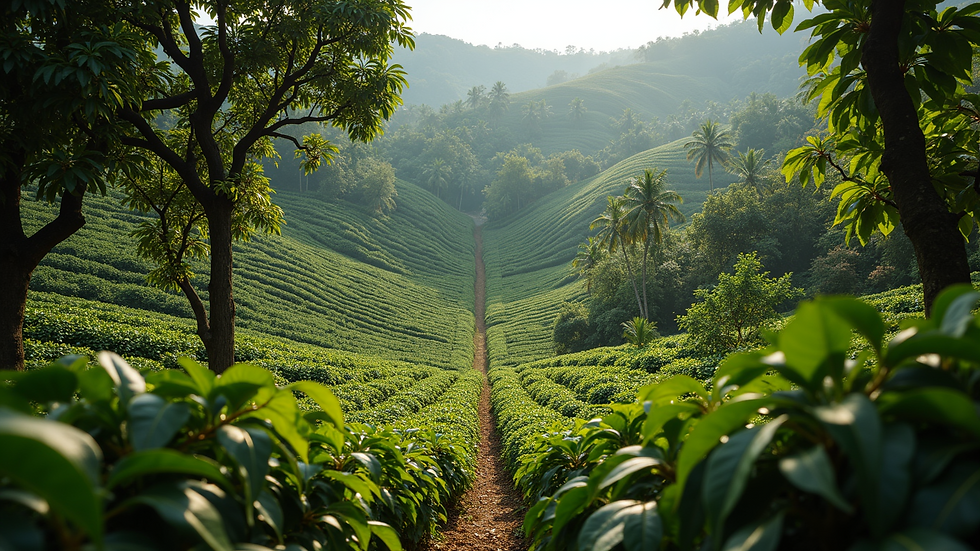
Organic coffee farming avoids synthetic pesticides, herbicides, and fertilizers. Instead, it relies on natural processes and inputs to maintain soil health and control pests. This approach has several environmental benefits:
Soil preservation: Organic farming improves soil structure and fertility by using compost and cover crops.
Biodiversity: Organic farms often maintain shade trees and diverse plant species, which support wildlife and pollinators.
Water conservation: Without chemical runoff, water sources near organic farms remain cleaner and safer.
Reduced carbon footprint: Organic practices tend to use less energy and produce fewer greenhouse gases.
Choosing organic coffee helps protect fragile ecosystems where coffee is grown, such as tropical forests and mountainous regions. It also supports farmers who prioritize long-term land stewardship over short-term gains.
Is Fair Trade Coffee Legit?
There is sometimes skepticism about whether fair trade coffee truly delivers on its promises. The fair trade certification system aims to ensure that farmers receive a minimum price for their coffee, which covers the cost of sustainable production and provides a safety net against market fluctuations.
Key points about fair trade coffee legitimacy include:
Transparency: Fair trade organizations require audits and reporting to verify compliance with standards.
Premiums for communities: Beyond fair prices, farmers receive premiums that fund social projects like schools and healthcare.
Empowerment: Fair trade encourages cooperative structures, giving farmers more control over their business.
Challenges: Some critics argue that certification costs and bureaucracy can limit participation or benefits for the smallest farmers.
Despite these challenges, many studies and reports confirm that fair trade coffee improves incomes and living conditions for participating farmers. It also raises awareness among consumers about the social impact of their purchases.

How Fair Trade Organic Coffee Beans Support Farmers
Farmers who grow coffee under fair trade and organic certifications benefit in multiple ways:
Stable income: Fair trade guarantees a minimum price, protecting farmers from volatile market prices.
Healthier working conditions: Organic farming reduces exposure to harmful chemicals.
Community investment: Premiums fund local projects that improve quality of life.
Market access: Certification opens doors to international markets that value ethical products.
Skill development: Training in organic farming and business management enhances farmers’ expertise.
By choosing Fair trade organic coffee beans, consumers directly contribute to these positive outcomes. This support helps break cycles of poverty and environmental degradation common in conventional coffee farming.
How to Make Ethical Coffee Choices in Your Daily Life
Making ethical coffee choices can be simple and rewarding. Here are practical tips to get started:
Look for certifications: Choose coffee labeled as fair trade, organic, or both.
Buy from trusted sources: Support roasters and retailers committed to transparency and sustainability.
Try single-origin coffees: These often come from specific farms or cooperatives with ethical practices.
Reduce waste: Use reusable coffee filters and cups to minimize environmental impact.
Educate yourself: Learn about coffee origins and the challenges farmers face.
Share your knowledge: Encourage friends and family to consider ethical coffee options.
By incorporating these habits, you can enjoy your coffee while making a positive difference in the world.
Ethical coffee choices are more than a trend - they are a meaningful way to support a fairer and greener coffee industry. By understanding the benefits of fair trade and organic coffee, you can make informed decisions that uplift farmers, protect the environment, and enhance your coffee experience. Next time you brew a cup, remember the journey behind those beans and the impact your choice can have.


Comments