

The Journey of Sourcing Fair Trade Coffee: From Bean to Brew

Coffee is more than just a morning ritual or a quick pick-me-up. It’s a story, a journey that begins far away in lush, sun-dappled plantations and ends in the comforting warmth of your favorite mug. Today, I want to take you on a warm, inviting journey through the world of sourcing fair trade coffee. Together, we’ll explore how these beans travel from ethical farms to your cup, why it matters, and how you can savor every sip with a clear conscience.
Understanding the Heart of Sourcing Fair Trade Coffee
When I first started exploring coffee beyond the usual supermarket brands, I quickly realized that not all coffee is created equal. Sourcing fair trade coffee means more than just picking beans that taste good. It’s about supporting farmers who work hard under fair conditions, ensuring they receive a fair price for their crops. This approach helps communities thrive and promotes sustainable farming practices.
Fair trade certification guarantees that farmers are paid fairly, work in safe environments, and use environmentally friendly methods. This is where organic farming comes into play. Organic coffee is grown without synthetic pesticides or fertilizers, which protects the soil, water, and biodiversity. When you combine fair trade with organic practices, you get a product that respects both people and the planet.
Imagine walking through a coffee farm where the air is rich with the scent of ripe cherries, the soil is dark and healthy, and the farmers smile knowing their work is valued. This is the essence of sourcing fair trade coffee - a connection between you and the hands that nurture each bean.
The Journey from Farm to Cup: How Fair Trade Coffee Travels
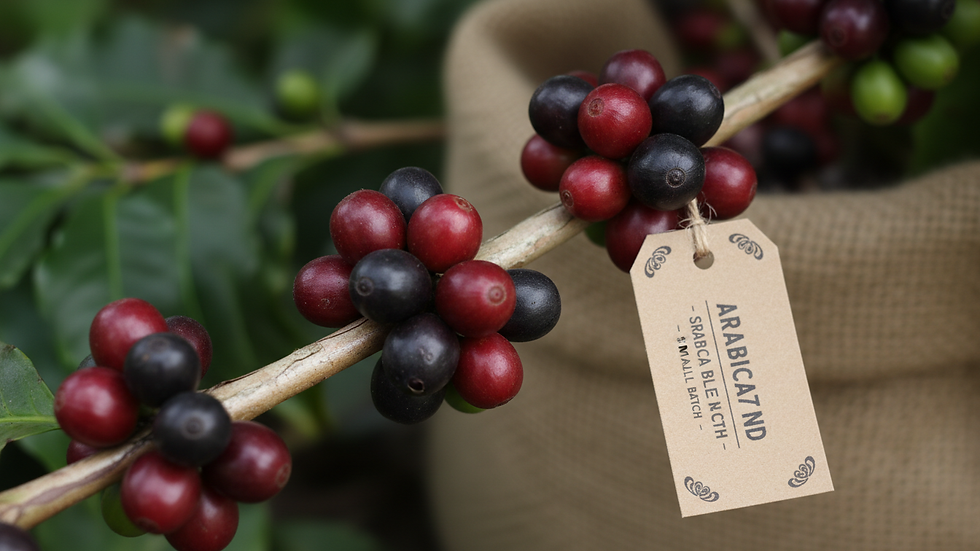
The journey of fair trade coffee beans is a fascinating one. It starts with the careful cultivation of coffee plants, often in small family-owned farms nestled in mountainous regions. These farmers tend to their crops with love and patience, hand-picking only the ripest cherries to ensure quality.
Once harvested, the cherries undergo processing to separate the beans. This can be done through wet or dry methods, each influencing the flavor profile. After processing, the beans are dried, sorted, and bagged for export. Throughout this process, fair trade cooperatives play a crucial role. They help farmers access markets, negotiate fair prices, and invest in community projects like schools and healthcare.
When the beans arrive at roasting facilities, they are carefully roasted to bring out their unique flavors. Roasters who prioritize fair trade coffee often work closely with farmers to maintain transparency and quality. Finally, the beans are packaged and shipped to specialty coffee shops, small businesses, and home brewers who appreciate the story behind every cup.
This journey is a beautiful cycle of respect, care, and connection. Each step adds value, not just in taste but in the positive impact on lives and the environment.

What Coffee Brands Use Fair Trade?
If you’re wondering which coffee brands embrace fair trade principles, you’re not alone. Many specialty coffee roasters and small businesses are committed to ethical sourcing. These brands often highlight their partnerships with fair trade cooperatives and organic farms on their packaging and websites.
Look for certifications like Fair Trade Certified, USDA Organic, or Rainforest Alliance when choosing your coffee. These labels provide assurance that the beans meet strict social and environmental standards. Some brands also share stories about the farmers and communities they support, adding a personal touch to your coffee experience.
Supporting these brands means you’re not just enjoying a delicious cup of coffee; you’re also contributing to a fairer, more sustainable coffee industry. It’s a simple way to make a big difference with every purchase.
How to Choose and Brew Fair Trade Organic Coffee Beans at Home
Bringing the rich flavors of fair trade organic coffee beans into your home is easier than you might think. Here are some tips to help you select and brew the perfect cup:
Look for Freshness - Choose coffee beans with a recent roast date. Freshly roasted beans retain more flavor and aroma.
Check Certifications - Ensure the coffee is labeled as fair trade and organic to support ethical and sustainable practices.
Grind Just Before Brewing - Grinding your beans right before brewing preserves the delicate oils and flavors.
Use Clean, Filtered Water - Water quality affects taste, so use fresh, filtered water for the best results.
Experiment with Brewing Methods - Try different methods like pour-over, French press, or espresso to find your favorite flavor profile.
Store Properly - Keep your beans in an airtight container away from light and heat to maintain freshness.
By following these steps, you can enjoy a cup that’s not only delicious but also tells a story of care and fairness.
Embracing the Fair Trade Coffee Lifestyle
Choosing fair trade organic coffee beans is more than a purchase; it’s a lifestyle choice. It’s about savoring each sip with gratitude and awareness. When you support fair trade, you’re investing in a better future for farmers, their families, and the environment.
Imagine the joy of knowing your morning coffee helps build schools, improve healthcare, and protect forests. It’s a small act with a ripple effect that reaches far beyond your kitchen.
So next time you brew your coffee, take a moment to appreciate the journey it has taken. Let the rich aroma and vibrant flavors remind you of the hands that nurtured those beans and the communities that thrive because of your choice.
Together, we can create a world where coffee is not just a drink but a force for good.
If you want to explore more about Fair trade organic coffee beans and how they can transform your coffee experience, dive in and discover the difference today!


Comments