

The Craft Behind Small Batch Coffee Roasters

Coffee is more than just a morning ritual; it is an art form that requires skill, patience, and passion. Artisan coffee roasting transforms green coffee beans into the rich, flavorful brew that many cherish. This process is a delicate balance of science and creativity, where every decision impacts the final taste. Understanding the craft behind artisan coffee roasting reveals why some coffees stand out and why small-scale roasters are gaining popularity.
The Art and Science of Artisan Coffee Roasting
Artisan coffee roasting is a meticulous process that combines technical knowledge with sensory expertise. Roasters carefully monitor temperature, time, and airflow to coax out the unique flavors locked inside each bean. Unlike mass production, artisan roasting focuses on quality over quantity, often roasting in small batches to maintain control and consistency.
The roasting process typically involves several stages:
Drying Phase - Beans lose moisture and begin to turn yellow.
Browning Phase - Maillard reactions develop complex flavors and aromas.
First Crack - Beans expand and crack, signaling the start of light roast.
Development Time - Roasters adjust heat to develop desired roast level.
Second Crack (optional) - Indicates darker roasts with bolder flavors.
Each stage requires precise timing and temperature control. Roasters use their senses—sight, smell, and sound—to judge progress. For example, the sound of the first crack is a key indicator that the beans are reaching the right roast level.

Why Artisan Coffee Roasting Matters
The difference between artisan and commercial roasting lies in the attention to detail and the commitment to quality. Artisan roasters often source beans directly from farmers, ensuring ethical practices and freshness. This direct trade approach supports sustainable farming and allows roasters to select unique coffee varieties.
Artisan roasting also allows for experimentation. Roasters can tailor profiles to highlight specific flavor notes such as fruity, floral, nutty, or chocolatey tones. This customization results in a more vibrant and complex cup of coffee.
For example, a light roast from Ethiopian beans might emphasize bright citrus and floral notes, while a medium roast from Colombian beans could bring out caramel and nutty flavors. This level of nuance is difficult to achieve in large-scale roasting operations.
The Role of Equipment in Artisan Roasting
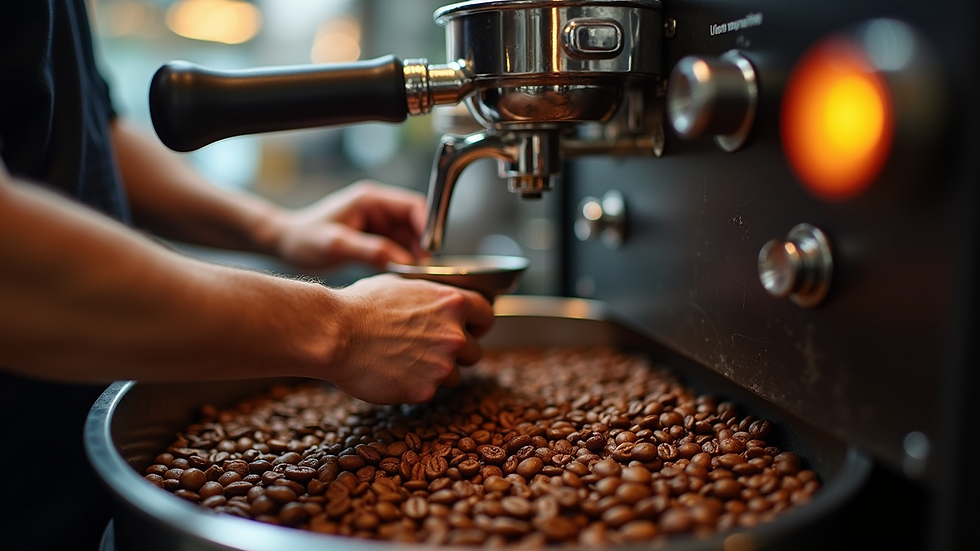
High-quality equipment is essential for artisan coffee roasting. Roasters use specialized machines like drum roasters or fluid bed roasters, each offering different heat application methods. Drum roasters provide even heat distribution and are favored for their ability to develop rich, balanced flavors.
Modern roasters often include digital controls and data logging to track every roast. This technology helps maintain consistency and allows roasters to replicate successful profiles. However, the best results come from combining technology with human intuition.
Small batch roasters typically work with machines that handle 1 to 5 kilograms of coffee per roast. This smaller scale allows for greater control and flexibility, enabling roasters to experiment with different beans and roast levels without risking large quantities.

How to Taste and Evaluate Artisan Roasted Coffee
Tasting artisan roasted coffee is an experience that engages all the senses. Professional tasters, or cuppers, evaluate coffee based on aroma, flavor, acidity, body, and aftertaste. Here are some tips to appreciate artisan coffee fully:
Smell the dry grounds to detect initial aromas.
Brew the coffee using a consistent method like pour-over or French press.
Observe the aroma of the brewed coffee.
Take small sips and let the coffee coat your palate.
Note the acidity - is it bright and lively or mellow?
Assess the body - is it light, medium, or full?
Identify flavor notes such as fruit, chocolate, spice, or floral hints.
Consider the finish - how long do the flavors linger?
By practicing these steps, coffee lovers can develop a deeper appreciation for the nuances that artisan roasting brings out.
Supporting Small Batch Coffee Roasters
Choosing coffee from Small batch coffee roasters means supporting businesses that prioritize quality, sustainability, and community. These roasters invest time in sourcing exceptional beans and perfecting their craft. Their dedication results in coffee that tells a story—from farm to cup.
When you buy from small batch roasters, you often get fresher coffee roasted to order. This freshness enhances flavor and aroma, making each cup a unique experience. Additionally, many small roasters offer educational resources and tastings, helping consumers learn more about coffee origins and brewing techniques.
To get started, look for local roasters or online shops that specialize in small batch artisan coffee. Experiment with different roast profiles and origins to find your favorite flavors.
Artisan coffee roasting is a celebration of craftsmanship and passion. It transforms humble green beans into a sensory delight that coffee lovers cherish. By understanding the process and supporting small batch roasters, you can enjoy coffee that is not only delicious but also ethically sourced and thoughtfully produced.


Comments