

Exploring Micro Lot Specialty Coffee Gems

Coffee lovers around the world are increasingly drawn to unique and high-quality brews that tell a story of their origin. Among these, small-scale coffee production has gained significant attention for its ability to deliver exceptional flavors and sustainable practices. This approach focuses on cultivating coffee in limited quantities, often by individual farmers or small cooperatives, ensuring meticulous care and attention to detail. One of the most exciting aspects of this trend is the discovery of rare and exquisite varieties known as micro lot specialty coffee.

The Rise of Small-Scale Coffee Production
Small-scale coffee production is reshaping the coffee industry by emphasizing quality over quantity. Unlike large commercial plantations, small farms typically produce coffee in limited batches, allowing farmers to experiment with different cultivation methods and processing techniques. This hands-on approach results in beans with distinct flavor profiles that reflect their terroir - the unique combination of soil, climate, and altitude.
Farmers engaged in small-scale production often use sustainable and organic farming practices. These methods not only protect the environment but also enhance the coffee's taste by preserving the natural ecosystem. For example, shade-grown coffee, which involves growing coffee plants under a canopy of trees, helps maintain biodiversity and improves bean quality.
Key benefits of small-scale coffee production include:
Enhanced flavor complexity due to careful cultivation
Support for local economies and farming communities
Reduced environmental impact through sustainable practices
Greater transparency and traceability from farm to cup

Understanding Micro Lot Specialty Coffee
Micro lot specialty coffee refers to small, carefully selected batches of coffee beans that showcase exceptional quality and unique characteristics. These lots are often harvested from specific plots within a farm, sometimes as small as a few hundred plants. The limited quantity allows producers to focus on perfecting every step of the process, from picking to processing.
What sets micro lot specialty coffee apart is its distinct flavor profile, which can include notes of fruit, floral aromas, and complex acidity. These coffees are highly sought after by connoisseurs and specialty coffee shops because they offer a rare tasting experience that cannot be replicated in mass-produced beans.
If you want to explore some of the finest examples of this coffee style, check out Micro lot specialty coffee, where you can find curated selections from top producers around the world.
Tips for enjoying micro lot specialty coffee:
Use freshly ground beans to preserve delicate flavors.
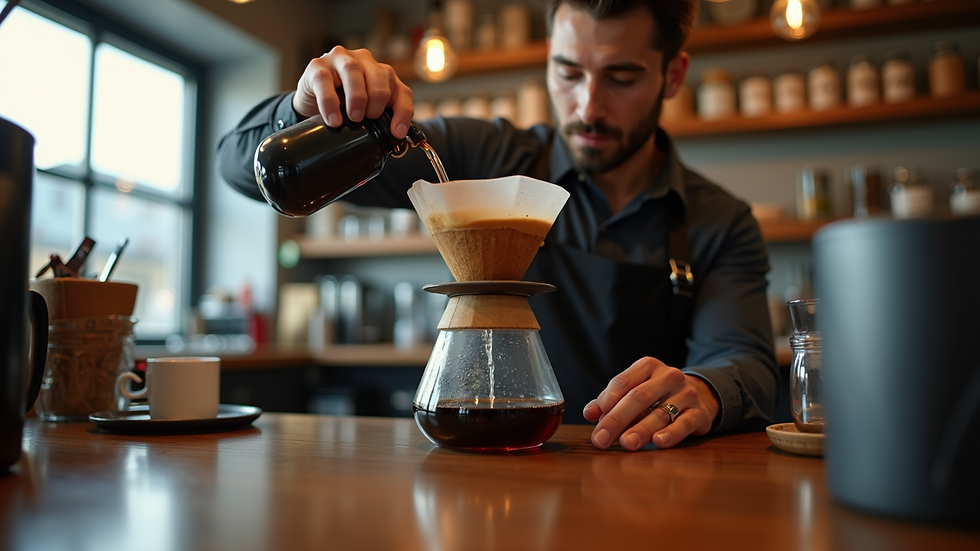
Brew with methods that highlight the coffee’s nuances, such as pour-over or Aeropress.
Experiment with water temperature and grind size to find your preferred taste balance.
How much is 1 cup of Kopi Luwak coffee?
Kopi Luwak, often called the world's most expensive coffee, is produced through a unique process involving civet cats. These animals eat ripe coffee cherries, and the beans are collected from their feces after digestion. This process is believed to enhance the coffee's flavor by removing bitterness and adding smoothness.
The price of a single cup of Kopi Luwak varies widely depending on the location and quality. On average, you can expect to pay between $35 and $100 per cup in specialty cafes. The high cost reflects the rarity of the beans and the labor-intensive collection process.
However, it is important to be cautious when purchasing Kopi Luwak. Ethical concerns have been raised about the treatment of civet cats in some production facilities. Look for suppliers who ensure humane practices and sustainable sourcing.
Factors influencing Kopi Luwak pricing:
Authenticity and origin of the beans
Ethical and sustainable production methods
Location and exclusivity of the cafe or retailer
How to Identify Quality in Small-Scale Coffee Production
When exploring small-scale coffee production, it is essential to know how to identify quality beans. Here are some practical tips to help you select the best coffee:
Look for certifications: Organic, Fair Trade, and Rainforest Alliance labels indicate sustainable and ethical farming.
Check the roast date: Freshly roasted coffee retains more flavor and aroma.
Examine the beans: Uniform size and color suggest careful sorting and processing.
Ask about the origin: Single-origin coffees from specific farms or regions often have unique flavor profiles.
Taste test: Whenever possible, sample the coffee before buying to ensure it matches your preferences.
Supporting small-scale producers not only guarantees a superior cup but also contributes to the livelihoods of farmers who prioritize quality and sustainability.
Exploring Unique Coffee Varieties from Small Farms
Small-scale coffee production allows for the cultivation of rare and heirloom coffee varieties that are often unavailable in mass markets. These unique beans offer exciting flavor experiences and help preserve coffee biodiversity.
Some notable varieties include:
Geisha: Known for its floral and jasmine-like aroma, Geisha coffee is highly prized and often commands premium prices.
SL28 and SL34: These Kenyan varieties are celebrated for their bright acidity and fruity notes.
Bourbon: A classic variety with a sweet and balanced flavor profile, grown in many Latin American countries.
By seeking out these special varieties, coffee enthusiasts can enjoy a diverse range of tastes and support the preservation of coffee heritage.
Exploring the world of small-scale coffee production opens up a treasure trove of flavors and stories. Whether you are a casual drinker or a dedicated aficionado, discovering micro lot specialty coffee gems can transform your coffee experience. Embrace the journey of tasting coffees crafted with passion, care, and respect for the environment.
For those eager to dive deeper into this fascinating world, consider visiting specialty coffee shops, attending tastings, or even traveling to coffee-growing regions to witness the process firsthand. Every cup tells a story - make yours unforgettable.


Comments